
How to Do the Cabbage Diet?
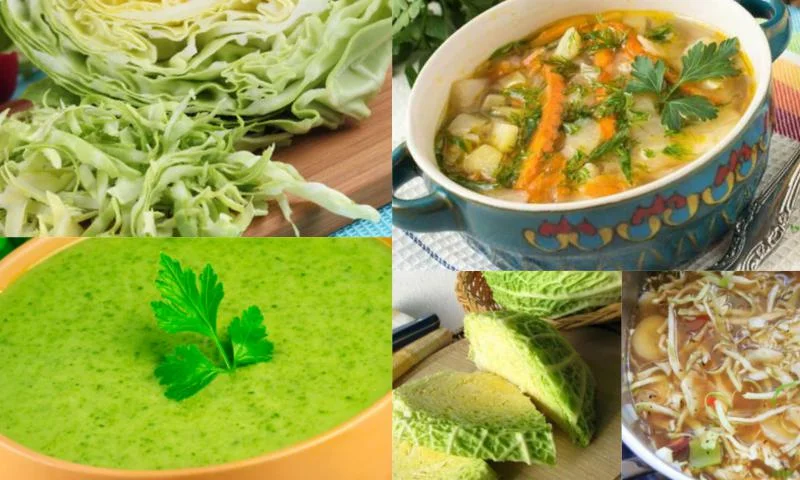
Cabbage is a very healthy and beneficial vegetable with several varieties, including kale, red cabbage, white cabbage, and Brussels sprouts. The type of cabbage associated with the diet is white cabbage. It is very rich in vitamins and minerals. For example, vitamin U, found only in cabbage varieties, is a vitamin that protects the inner lining of the stomach and intestines and helps heal existing sores. In addition to this, it also contains vitamins C, E, and K. One serving of cabbage provides nearly 90% of the daily requirement. Rich in sodium and potassium, cabbage also contains calcium, iron, magnesium, manganese, phosphorus, and zinc. Furthermore, it contains plenty of dietary fiber and protein. Another characteristic of cabbage is that it is a powerful antioxidant, thus helping to protect the health of internal organs.
Reasons Why Cabbage is Preferred in Diet Lists
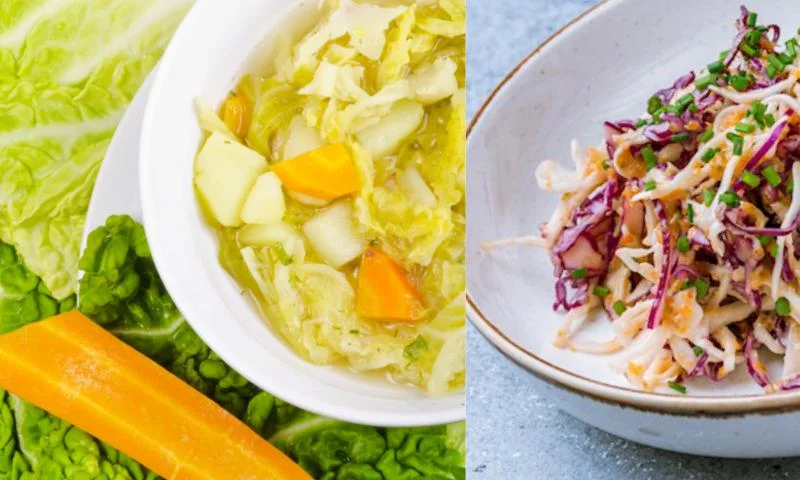
- Cabbage reduces appetite due to its long-lasting satiety effect and high fiber content. It prevents hunger pangs during the diet.
- Cabbage helps burn extra calories by working the stomach and intestines without tiring them. It allows for easy weight loss without the need for diet support applications.
- Cabbage is a diuretic and edema-reducing vegetable. The most important reason for its inclusion in diet lists is that, unlike other vegetables, it reduces edema without disrupting the body's salt and mineral balance.
- Cabbage speeds up metabolism and balances hormones. The lost weight is maintained even after the diet.
Important Warning: Cabbage is absolutely not recommended for breastfeeding mothers as it can both impair milk quality and reduce milk quantity. Therefore, breastfeeding mothers applying the cabbage diet is not very beneficial for the baby's development and health.
How to Do the Cabbage Diet?
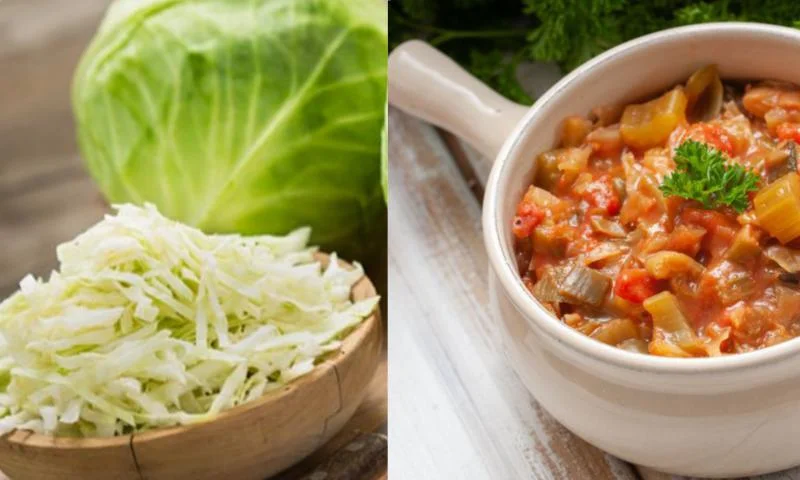
If applied correctly, the cabbage diet can lead to a weight loss of 5-8 kilograms within a 7-day period, although this can vary from person to person. It is healthier to apply it with one-week intervals. If possible, half-hour brisk walks can aid weight loss. As with any diet, water is extremely important in the cabbage diet.
Cabbage Diet
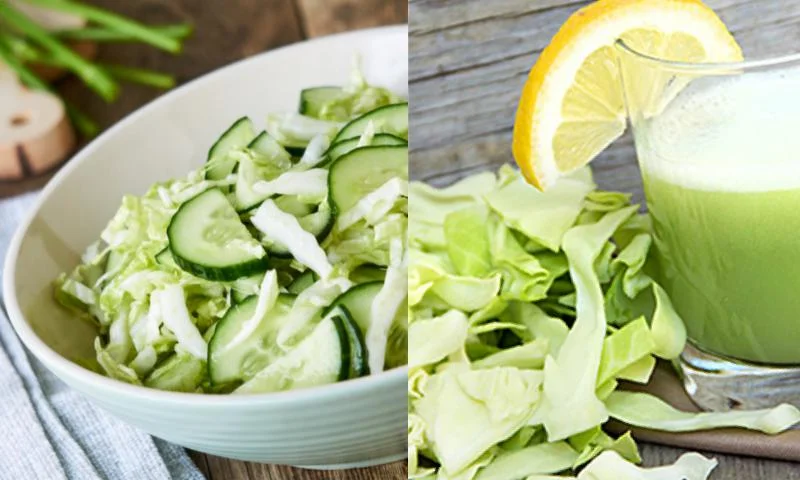
At least 2 liters of water should be consumed daily. Cabbage soup and additional foods are consumed for 3 meals a day. Legume consumption is prohibited. Herbal teas and some proteins are allowed. Nuts, mainly protein-rich, can be consumed as snacks. External salt and sugar consumption should be avoided. In the cabbage diet, cabbage consumption is done through the prepared cabbage soup.
Ingredients for Cabbage Soup
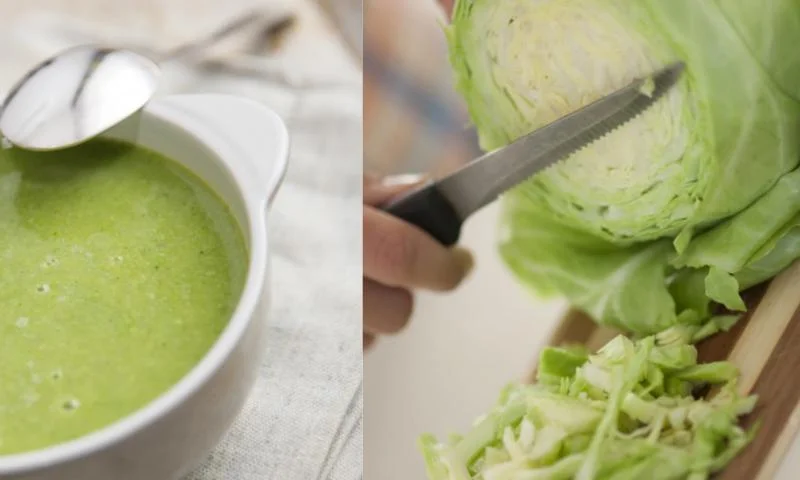
- 1 medium-sized cabbage
- 1 bunch of parsley
- 1 celery
- 5-6 onions
- 1 clove of garlic
- 2-3 tomatoes
Preparation of Cabbage Soup
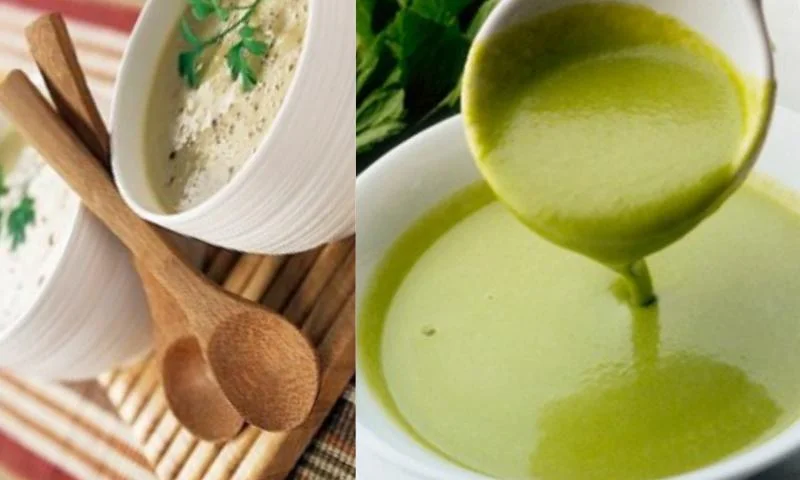
Onions, celery, garlic, and tomatoes are peeled and chopped into large pieces along with the cabbage. Parsley and celery stalks are finely chopped. All ingredients are placed in a large pot, water is added to cover them, and brought to a boil. Once all vegetables have softened, they are pureed with a blender. Care should be taken not to make the soup too watery. No oil or salt should be used in the soup. Spices can be added according to taste.
Sample Cabbage Diet Menu
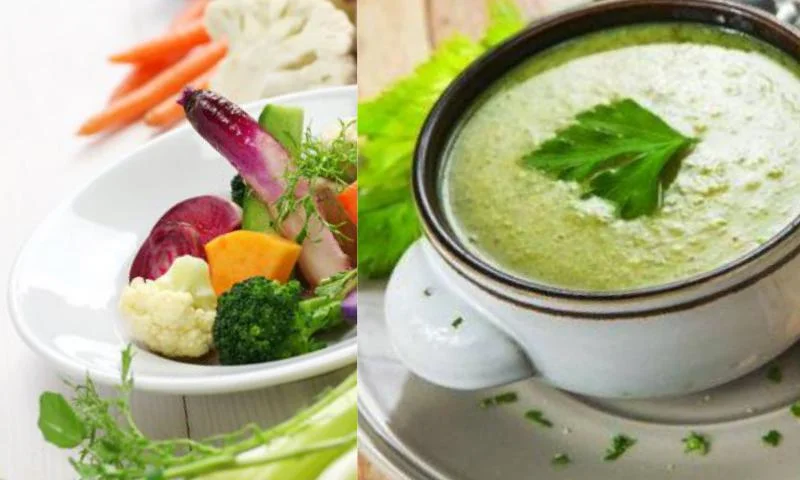
Day 1:
Cabbage soup as desired for three meals.
Day 2:
Cabbage soup as desired for breakfast and lunch, boiled potatoes and a small bowl of cabbage soup for dinner.
Day 3:
Cabbage soup as desired for three meals, yogurt, and a handful of walnuts and pumpkin seeds can be consumed as snacks.
Day 4:
1 boiled egg and a small bowl of cabbage soup for breakfast, cabbage soup as desired for lunch and dinner.
Day 5:
Cabbage soup and yogurt as desired for breakfast and lunch, 200 grams of grilled red meat and a small bowl of cabbage soup for dinner.
Day 6:
1 boiled egg, cottage cheese, and a small bowl of cabbage soup for breakfast, cabbage soup and yogurt as desired for lunch and dinner.
Day 7:
Boiled whole wheat rice and cabbage soup for breakfast, cabbage soup and yogurt as desired for lunch and dinner, a handful of walnuts and pumpkin seeds can be consumed as snacks.