
Toilet Training Tips for Children
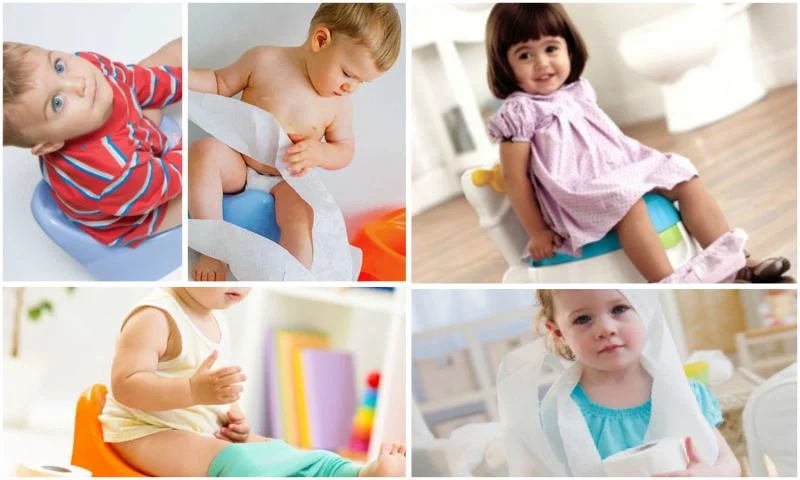
Toilet Training Tips for Children
Disposable potty liners can be useful initially and when you are away from home. Many children may find it difficult to use toilets, finding them too high or too large, and may refuse to go to the toilet. Therefore, potties that require them to squat are useful for them. Moreover, squatting is considered the most suitable natural position for comfortable defecation. Your child may be aware of the urge to defecate. However, controlling it is a completely different matter for them. Decide definitively on the terms you will use for the toilet and ensure you are not bothered by your child shouting them at the top of their lungs under all circumstances. Most parents, teachers, nurses, and doctors have long used the question sentences "Do you need to pee?" or "Do you need to poop?". Using training pants instead of diapers may not always work because babies may treat them like regular diapers. When using them, it is advisable to always carry spare clothes with you.
Your Child May Be Aware of the Urge to Defecate
Do not comment on accidents, just focus on successful toilet trips. Absolutely do not punish or take back a reward you have given. Generally, praise and encouraging words are good, but do not overdo it. If you force your baby on this matter, they will not feel ready for it. If they sense that this is a very important issue for you, you will give them a perfect weapon to control you. Accidents are bound to happen; if there are too many, it means your child is not ready for training. If such a thing happens, it would be better to continue the training at a later time. Apart from this, in general, we can say that girls are more successful than boys in toilet training. The control of bowel movements is gained before the control of urine. Even if your child can announce their need to urinate during the day, this situation may be different at night. However, at the end of all these steps, your baby will succeed in reaching the desired stage.
If your child is refusing toilet training;
● Children tend to adopt a withdrawn stance regarding potty training if they have any fears. For example, constipation can cause them to be psychologically unable to defecate even after the problem has passed. Because this has been a new and painful experience for them.
● Sometimes the fear stems from the toilet itself. They may be afraid of falling into the toilet, or the sound of the flush may be frightening. Check if your baby can express their fears and discomforts.
● For some children, the real reason for stepping back in toilet training may not be related to the training itself. That is, a sibling who has arrived or is about to arrive, a change of caregiver, and disagreements within the family are common reasons for these setbacks.
● The most important thing is not to force them too much on this matter. Tolerate their reluctance towards training, allow them to express themselves, and continue their training later; sometimes forgetting the entire training and putting an end to the pressure on your child will be the best option.