
Public Transportation: One of the Main Carriers of Urban Mobility

Public transportation is the general term for public transport vehicles used to meet the daily transportation needs of people in densely populated areas of cities. This service, provided by vehicles such as buses, trams, metros, and trains, is an important part of urban mobility. Public transportation has many advantages. The most important advantage is that it reduces traffic density by carrying a large number of people at the same time. In addition, public transport vehicles are generally environmentally friendly and provide lower carbon emissions compared to individual vehicle use. Besides, public transportation is generally economical and can provide cost savings for individuals. However, there are also disadvantages, such as public transport vehicles operating at specific hours and having fixed routes. For information on this subject and to ask your questions, you can check the relevant online companies on the internet pages and examine them in detail from here.
Vehicles and Services Used in Public Transportation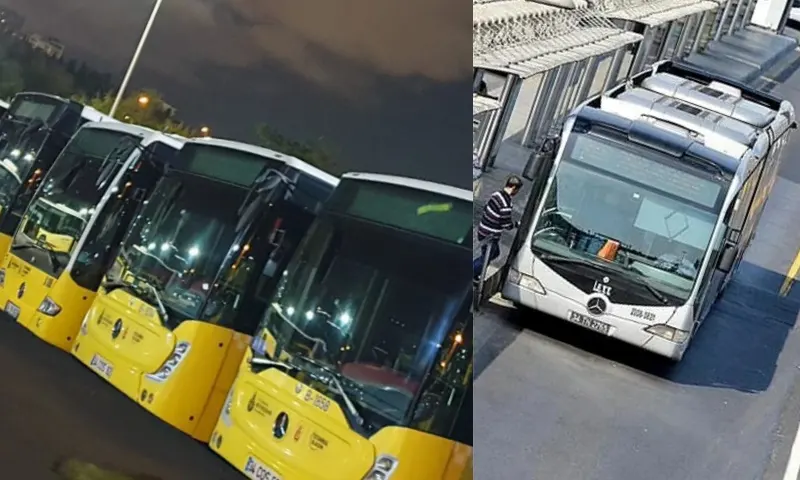
The vehicles used in public transportation are generally vehicles such as buses, trams, metros, and trains that provide urban transportation. These vehicles operate on specific routes and generally stop at specific stops to pick up and drop off passengers. In addition, public transportation services are usually provided by city administrations or private companies and are used for a fee. These services generally operate from early morning hours to late at night and can be used every day of the week.
The Future and Transformation of Public Transportation
Public transportation plays an important role in the sustainability of cities and meeting their transportation needs. In the future, public transport systems are expected to be further developed to become more environmentally friendly and efficient. In particular, with the development of electric and autonomous vehicle technologies, public transport vehicles are aimed to be more efficient and environmentally friendly. Furthermore, the use of digitalization and smart city technologies will ensure that public transport systems are managed and used more effectively.