
What is a Server Room For?
Where and How Should a Server Room Be?
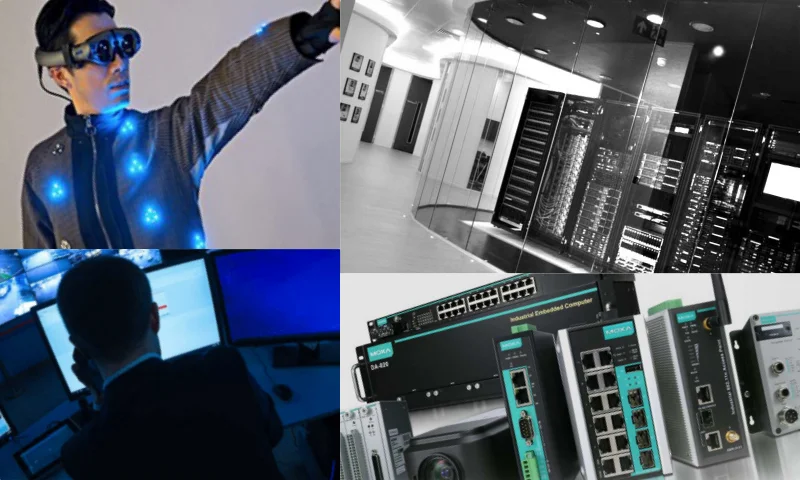
Server rooms are areas where uninterrupted electricity is supplied, temperature and humidity levels are constantly controlled, and advanced climate control technologies are used. It is an area where businesses' information technology equipment is located, with uninterruptible power supply, air conditioning, security, and fire detection systems, and where all cabling systems terminate. These rooms are essential for the uninterrupted operation of businesses' critical information processing systems. Finance teams can reduce operating costs and the need for offline maintenance by using server room environment monitoring. For detailed information about server room services, you can visit our website at https://www.quicklyserv.com/sistem-odasi-dosemesi-icin-nelere-dikkat-edilmeli/.
Who is the Server Room Important For?
A server room is a room where computer systems or network infrastructure are housed. However, there are some features to consider when setting up a server room. For example, water or heating pipes should not pass above or below the room. To take precautions against flooding, the server room should not be located in basement floors. Humidity levels should be monitored, as an increase or decrease in humidity can be harmful to computer systems. Active or passive cooling should be provided in the server room. The system administrator's office should be close to the server room, and a lightning rod should be installed in the server room against lightning strikes. The server room is an environment that supports IT infrastructures. IT teams can improve uptime and availability by using server room environment monitoring software, helping to achieve faster response times to issues and more effective disaster recovery efforts. Power and Network teams can identify device connectivity issues and achieve precise management by using comprehensive server room environment monitoring, which allows for the customization of alerts and critical thresholds on different devices. Facilities teams can monitor environmental changes and facilitate the management of cooling, airflow, and other facility-level conditions.