
How to Choose the Right Work Shoes
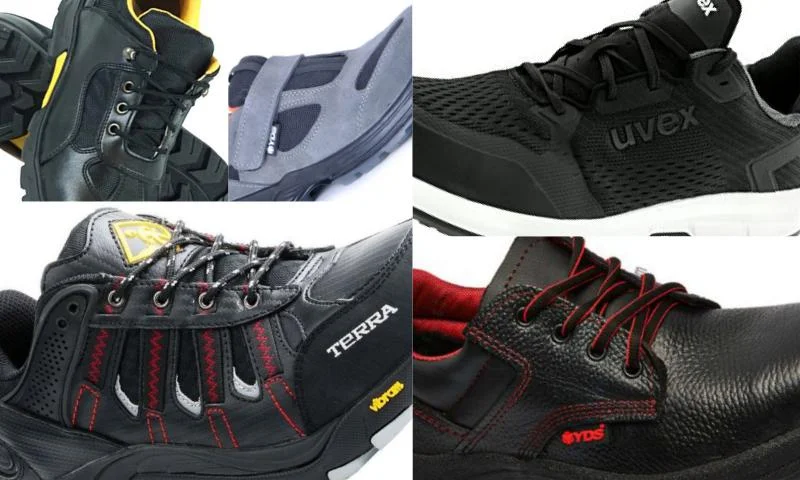
What are Work Shoe Standards?
In construction, mining, metalworking industries, and similar work areas, the most common and severe injuries affect the feet and legs. In different sectors, the falling of heavy objects onto the feet, or the spilling of flammable liquids, chemicals onto the feet or legs can cause tissue loss and burns. Various other problems and risks are also encountered, such as puncture wounds from sharp objects, health problems from working on hot surfaces, falls due to working on slippery surfaces, and allergic skin reactions. To minimize these and ensure work safety, must be used. Choosing and using appropriate products such as knee pads, shoes, boots, or waders that are suitable for the risk encountered is one of the most important steps in foot and leg protection. The temperatures in work areas and on work surfaces and the duration of work at these temperatures, all substances used in the environment, the types of processes performed and how they are carried out, the slipperiness of the surfaces, and electrical resistance are all factors that must be paid attention to.