Traditional and Innovative Technologies with Water Purification Filter
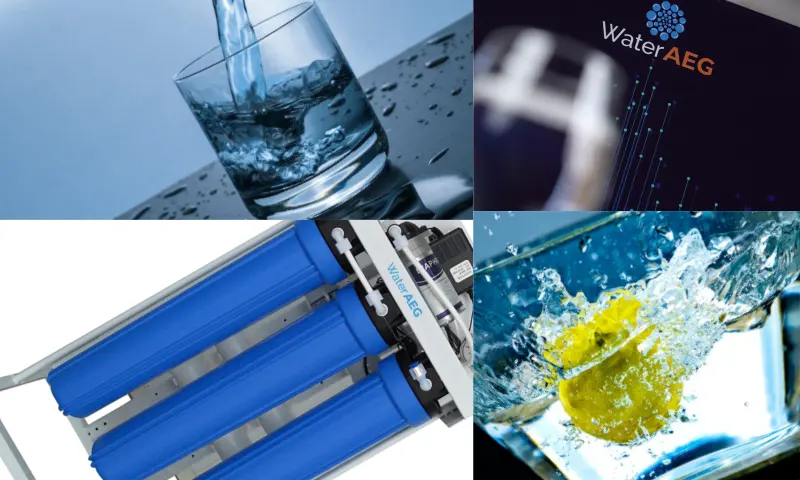
Water Purification Filter and Smart Systems
The water purification filter is a fundamental component used to improve water quality. You can visit https://wateraeg.com.tr/ for more information about water purification filters. Traditional water purification filters are produced with materials such as activated carbon, reverse osmosis, and ceramic. Activated carbon filters remove organic components and bad tastes, while reverse osmosis systems filter water under high pressure to separate harmful molecules. Ceramic filters clean water by physically filtering particles. Innovations in technology go beyond these basic methods to offer more effective and efficient solutions. Innovative filter technologies include filters developed with nanotechnology and biomimetic membranes.
Water Purification Filter and Eco-Friendly Technologies
Smart water purification systems, along with technological innovations, are making water purification processes more efficient. These systems also enable real-time monitoring and management of the performance of water purification devices using IoT technology. Smart sensors provide information about the condition of the filters and alert users about water purification filter replacement times. Additionally, some systems can analyze water quality and make adjustments when necessary. Thanks to mobile application integration, users can also remotely monitor the status of the device. Eco-friendly and sustainable filter technologies stand out as a significant innovation in the field of water purification filters. Unlike traditional filters, eco-friendly filters are produced using recycled materials and have biodegradable properties. Some innovative filters are made from sustainable materials such as bamboo charcoal or natural minerals and provide purification through natural processes without harming the environment. Water recycling systems and low-energy-consuming filters ensure more efficient use of water resources by reducing environmental impact.