The Magical World of Oil Painting: Basics and History

Oil painting has been a technique used by artists for centuries to create original works. This type of paint is ideal for achieving rich results in terms of color intensity, depth, and texture. Oil paint allows for working with a technique of fine layers and maintains its flexibility as it dries over time. Since the Renaissance period, famous painters such as Michelangelo, Leonardo da Vinci, and Rembrandt have created various masterpieces with this technique.
Oil Painting Techniques: Layers, Textures, and Color Palettes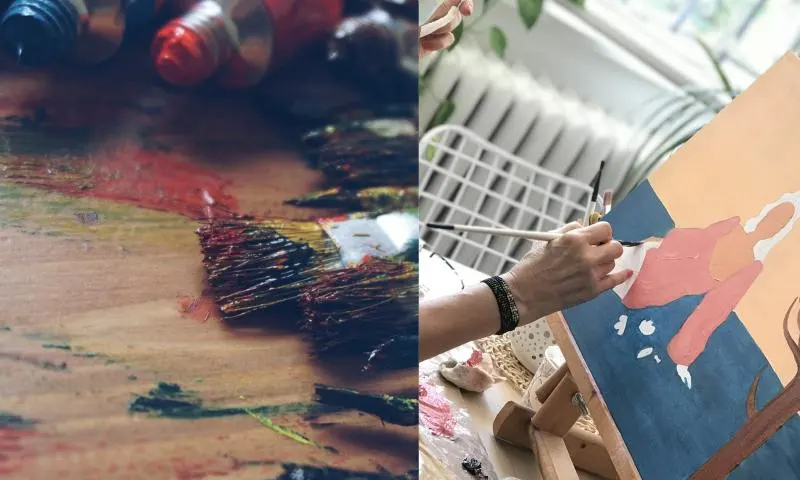
The process of oil painting involves different techniques and elements. Artists typically create depth by building layers as they apply paint to the canvas. Textures can be achieved using spatulas or by mixing different paints, adding visual and tactile richness to the artwork. Color palettes are another important element that reflects the artist's emotional expression. The use of warm and cool colors, along with color theory, helps achieve impressive results in oil paintings.
Modern Interpretations of Oil Painting: Abstract Expressionism and Innovation
Today, many contemporary artists are developing their unique styles using oil painting techniques. Abstract expressionism, postmodernism, and other modern art movements have taken oil painting to a different dimension. By stretching traditional rules and pushing boundaries, artists offer viewers a different perspective. Furthermore, with the advancement of digital technology, some artists are combining traditional oil painting with digital environments to create new and exciting works. This shows that oil painting is a constantly evolving art form that expands the boundaries of creativity.