
How Does PAC LV Perform at Different pH Levels?
What Should Be Considered When Using PAC LV?
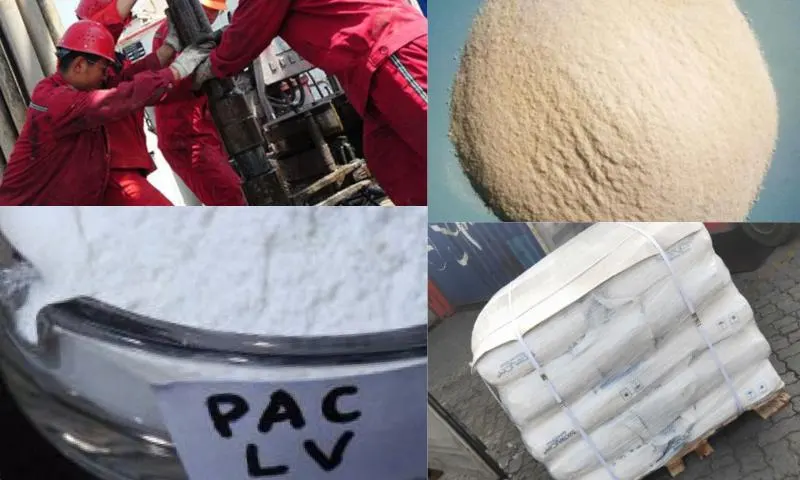
PAC LV is a polymer used in water-based drilling fluids and other industrial applications. At different pH levels, the performance of PAC LV can vary significantly. In alkaline environments, meaning at high pH levels, PAC LV acts as a more effective viscosity modifier and fluid loss additive. These environments increase the stability of the polymer and ensure it remains effective for longer. However, at low pH levels, especially in acidic environments, the performance of PAC LV may decrease. These environments can lead to the degradation of the polymer and a reduction in its solubility, which results in weakened fluid loss control. pH balance plays a critical role in the effective use of PAC LV, and the best results are achieved under neutral or slightly alkaline conditions. For detailed information about PAC LV, you can visit the web address https://aciselsan.com.tr/urunularunumuz/sondaj/.
How is Water Quality Improved with PAC LV?
Several important factors should be considered for the successful use of PAC LV. During mixing, the polymer should be ensured to disperse homogeneously. It should be dissolved carefully to prevent clumping. Proper dosage is very important. If not used in sufficient quantities, the desired viscosity and fluid loss control may not be achieved, but overuse can also increase costs and create unnecessary density. The pH sensitivity of PAC LV should be taken into account, and the pH level of the working environment should be regularly monitored. PAC LV is an effective solution for improving water quality. Thanks to its ability to minimize fluid loss, it provides cleaner and more controlled fluid management in drilling fluids or water treatment processes. It increases water clarity by binding suspended solids in the water. It ensures the desired fluidity by adjusting the viscosity of the water, which means more efficient water management.