Glass Processing: Where Art and Technology Meet
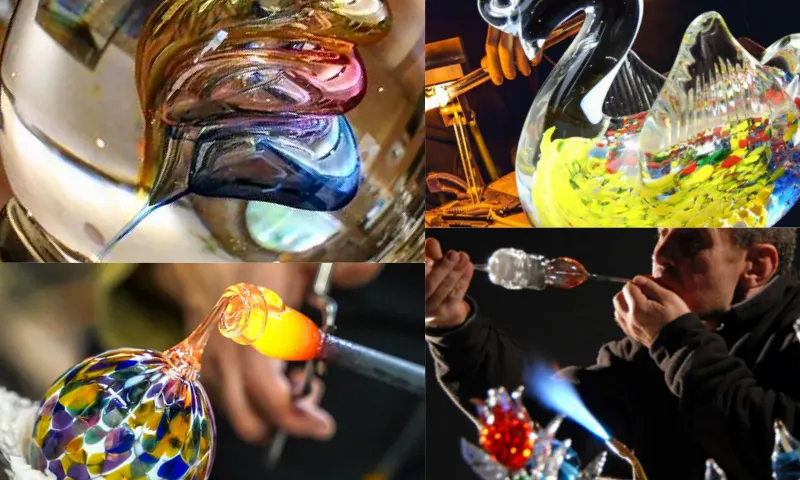
Glass processing is an art and industrial discipline that includes methods such as shaping, cutting, coloring, and decorating glass. We will discuss the history of glass processing, various glass processing techniques, and their current applications. Glass processing has been practiced by humans for thousands of years. In ancient times, glass was typically shaped by methods such as blowing or casting hot glass. In the Middle Ages, the art of glass processing developed in Europe, and techniques such as stained glass craftsmanship, glass carving, and engraving emerged. With the Industrial Revolution, the glass processing industry developed further, and glass production increased significantly. For information on this subject and to ask your questions, you can look at related online companies on web pages and examine them in detail from here.
Various Glass Processing Techniques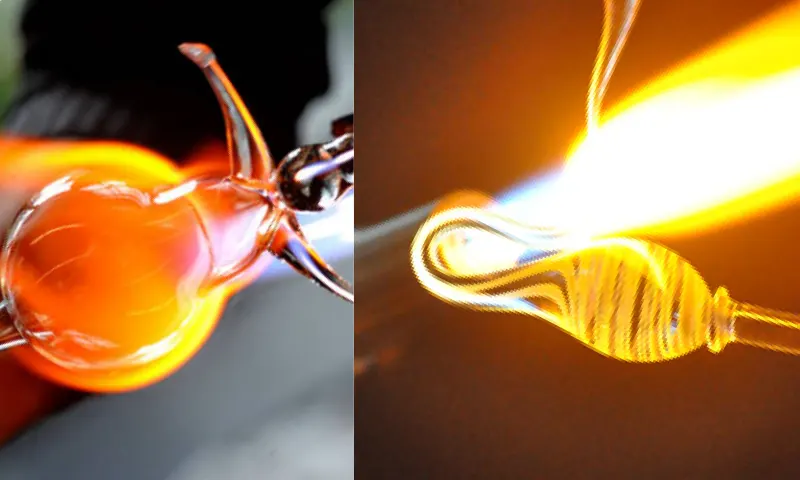
Glass processing can be done with many different techniques. Some of these are:
- Blowing Technique: A method of shaping hot glass by blowing.
- Casting Technique: A method of shaping liquid glass by pouring it into a mold.
- Carving and Engraving: A method of etching patterns or shapes onto the glass surface.
- Hot Glass Working: A method of shaping and coloring hot glass.
- Cold Glass Working: A method of cutting, polishing, and assembling cold glass.
Glass Processing Applications Today
Today, the art and industry of glass processing continue to develop and encompass many different areas. Many different products such as architectural glass, glass sculptures, glass jewelry, glass mosaics, and glassware can be made using glass processing techniques. Furthermore, the glass industry is also developing further with the advancement of technology. Using high technology, it is possible to produce glass that increases durability, blocks sunlight, and provides heat insulation. The art and industry of glass processing have fascinated people for thousands of years and continue to develop. In this field where art and technology meet, there are many different techniques and applications from the past to the present, and greater developments are expected in this field in the future.