
Formation and Characteristics of Historical Caves
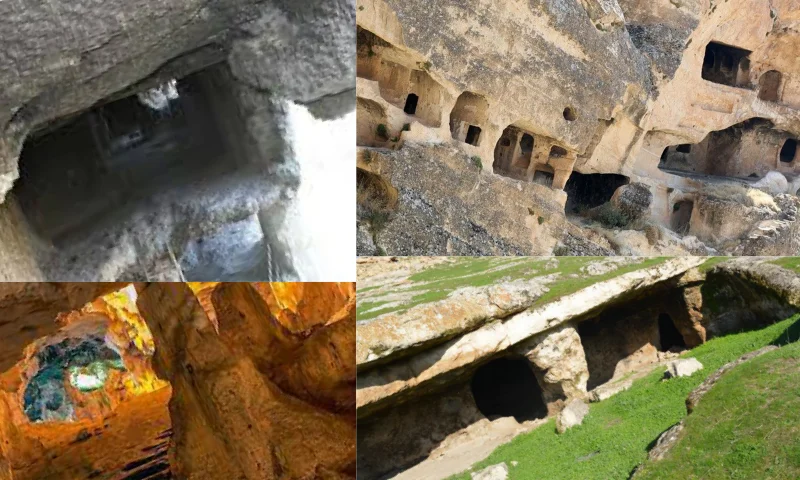
Historical caves are known as fascinating structures formed over centuries by natural processes. These caves are generally found within durable materials such as limestone, granite, or volcanic rocks. Natural processes like percolating water, tectonic movements, and erosion cause caves to form and take shape. Inside the caves, there are interesting features like stalactites and stalagmites, flowstones, underground rivers, and lakes. Furthermore, archaeological finds such as prehistoric cave paintings, stone tools, and bones have been discovered inside some caves. For information on this topic and to ask your questions, you can look at relevant online companies on web pages and examine them in detail from there.
The Relationship Between Caves and Human History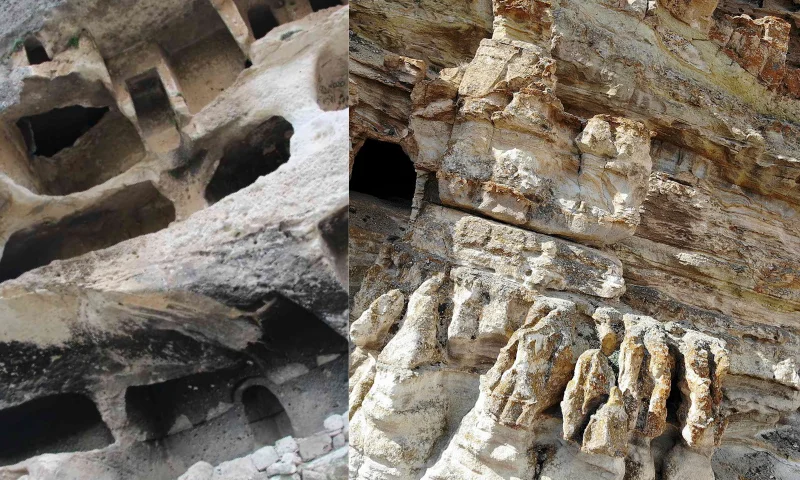
Historical caves have played an important role in human history. Early humans used caves as shelters, providing a safe haven. Additionally, archaeological discoveries made in caves have helped us understand how humans lived, hunted, and engaged with art in prehistoric times. The cave paintings and reliefs offer clues about the religious beliefs, rituals, and daily lives of people through the art found in caves. For instance, the cave paintings in the Lascaux Cave in France are considered an important work of art from the Paleolithic period.
Conservation and Visitation of Historical Caves
Historical caves hold great value both naturally and culturally. Therefore, it is important to conserve these caves and ensure their sustainable visitation. Cave conservation involves preventing damage to structures formed by natural processes and avoiding harm from human activities. The restoration and arrangement of caves should be done carefully to provide a safe environment for visitors. It is important for visitors not to damage the caves and to adopt sustainable tourism practices. Furthermore, it is also important for caves to be accessible for scientific research and to allow for studies such as archaeological excavations. In conclusion, historical caves are known as intriguing structures formed by natural processes and having a close relationship with human history. These caves help us understand the life and artistic expression of humans in prehistoric times. Their conservation and sustainable visitation are crucial for us to pass on this significant historical and cultural value to future generations.