
Fireplace Culture and Its Architectural Role in Modern Living Spaces
Contributions of Fireplace Use to Home Economy and Heating
Heating, one of humanity's most fundamental needs from past to present, has been elevated to an artistic dimension with modern architecture. The use of fireplaces has moved beyond being an element exclusive to rural homes in current decoration trends and has become indispensable in luxurious city apartments. A stylish unit placed at the center of the living room completely transforms the architectural perception of the space, adding an elite atmosphere. A proper placement plan integrated with home textiles and furniture helps to elevate the time you spend in your living space to a much higher quality and enjoyable level. Thanks to technological innovations, traditional heating methods have met modern lines and transformed into user-friendly structures. Remote-controlled models that can integrate with smart home systems are favorites for those who do not want to compromise on comfort. If you want to achieve both an aesthetic appearance in your home and high-level heat efficiency, you can examine the innovative options on the https://eskimosomine.com/somine-soba platform, which serves with its expert staff in the field, and immediately increase your quality of life. At the same time, developing solutions that protect nature with environmentally friendly fuel options forms the basis of modern production understanding.
Prominent Next-Generation Trends in Fireplace Designs
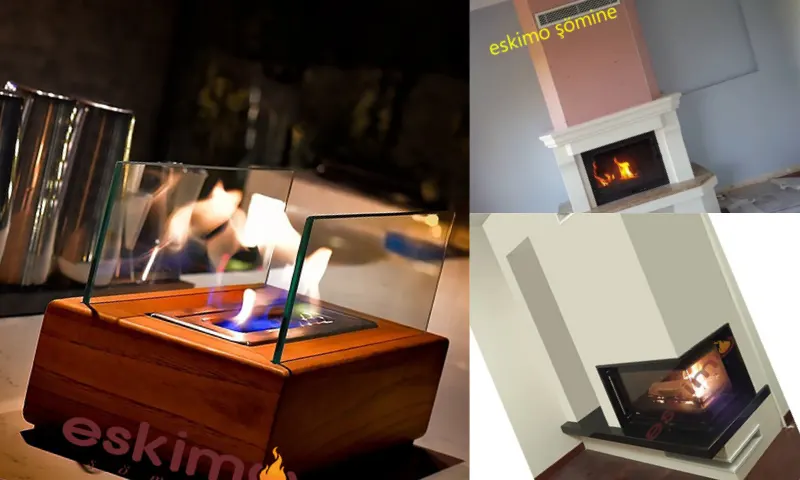
Thanks to developing heat engineering, next-generation heating systems have become performance-oriented structures that contribute significantly to the home economy. Fireplace systems, especially when using closed cast iron chamber technology, provide high savings by distributing the burned energy to the room at the maximum level. These designs, which minimize heat loss compared to traditional open systems, balance natural gas and electricity bills by supporting main heating systems during winter months. A correctly positioned fireplace has the power to heat even large areas in a short time. Vent systems that speed up heat transfer and quality cast iron materials ensure that fuels such as wood or pellets burn much more efficiently. Thus, both the amount of carbon released into the environment is reduced, and a budget-friendly heating method is achieved. While minimalism and simplicity dominate architectural designs, this change has also directly reflected on interior heating units. Among fireplace trends, three-sided glass suspended models and wall-embedded plasma designs have been of particular interest in recent years. These designs create a visual feast by offering the opportunity to watch the aesthetic dance of flames from every angle of the room. Furthermore, raw concrete and metallic surfaces, which have replaced traditional stone cladding, offer great alternatives for homeowners who embrace a modern and industrial style.