
What is Cable Resistance?
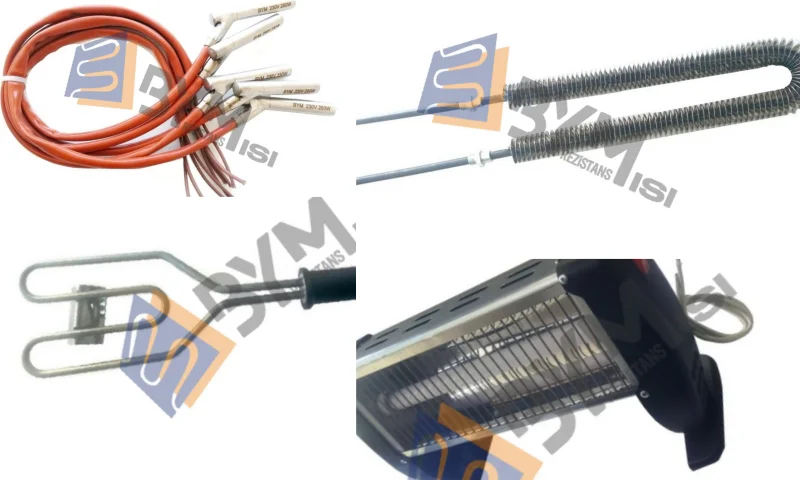
What are the Types of Cable Resistance?
Cable resistance is defined as the resistance of a cable to conducting electrical current. In short, the more resistance a cable shows, the less electrical current passes through it, and the more energy loss occurs. This is an important factor, especially in energy transmission over long distances. The value of cable resistance varies depending on the material, thickness, and length of the cable. Generally, low resistance values are aimed for by using conductive metals such as copper or aluminum. For detailed information, to see our product range, and to place your orders, please visit our website at https://www.bymrezistans.com.tr/urun-gruplarimiz/kablo-rezistanslar.
What Does Cable Resistance Do?
Cable resistance types vary according to their applications and properties. Here are the most common types of cable resistance:
- Silicone Rubber Resistance Cables: Preferred in automotive, white goods, and heating systems due to their high temperature resistance and flexible structure.
- PVC Coated Resistance Cables: Generally used in low-voltage applications and are a cost-effective option.
- Teflon Coated Resistance Cables: Ideal for industrial applications with high temperature resistance, chemical resistance, and low coefficient of friction.
- Fiberglass Coated Resistance Cables: Suitable for applications requiring high heat insulation, especially used in home appliances such as electric stoves and ovens.
- Mineral Insulated Resistance Cables: Preferred in petrochemical, energy production, and metal processing industries by providing maximum temperature resistance and mechanical strength.
- Braided Resistance Cables: Used in the automotive, aerospace, and electronics industries with advantages of flexibility and fast response time.
Cable resistance is especially used to prevent freezing and icing problems in cold weather conditions. These cables, wrapped around pipes, valves, and tanks, convert electrical energy into heat to prevent freezing and help maintain temperature. It also ensures more efficient operation in industrial processes by increasing the fluidity and processability of materials.