
Puzzle Training: A Fun Tool for Mental Development
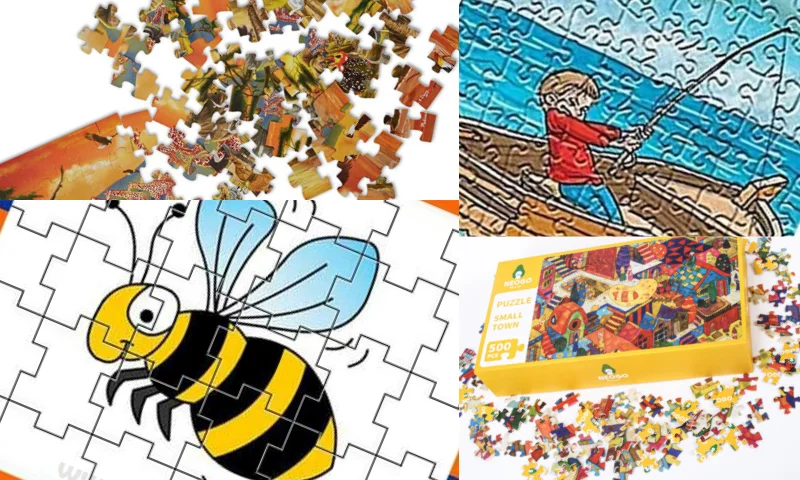
Puzzles have gained popularity among children as fun and educational toys. However, puzzles are not just a game tool; they are also an important tool for mental development and learning. For information on this subject and to ask your questions, you can look at relevant online companies on web pages and examine them in detail from there.
Benefits of Puzzle Training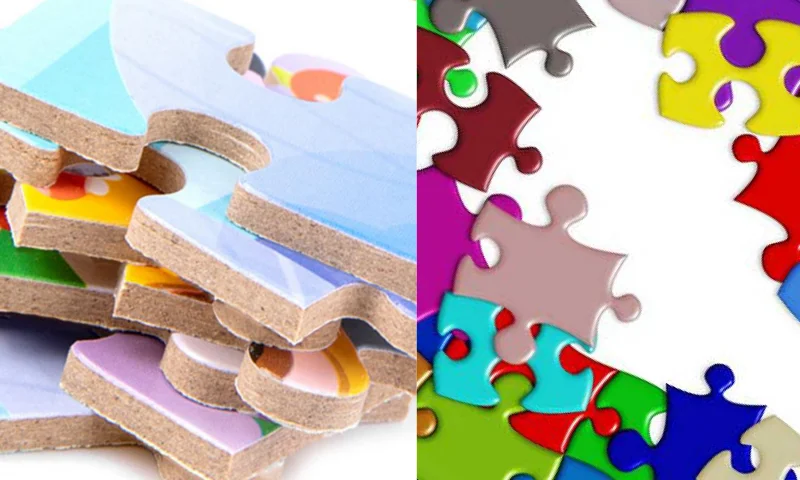
Puzzles offer many benefits in developing children's mental, motor, and social skills. Completing puzzles helps children develop their concentration, patience, problem-solving, and hand-eye coordination skills. Additionally, through puzzles, children also develop their mental abilities such as shape perception, color recognition, spatial awareness, and geometric concepts. Puzzles also encourage children's problem-solving and reasoning skills. The process of assembling pieces to form a whole develops children's analytical thinking abilities and allows them to approach problems from different angles. This process helps children develop their abstract thinking skills and strategic planning abilities.
Its Role in Skill Development
Puzzle training helps children develop many fundamental skills. For example, hand-eye coordination is necessary for placing pieces in the correct positions while completing puzzles. This develops children's ability to synchronize their hands and eyes. Puzzles also encourage problem-solving and critical thinking skills. While assembling pieces, children try different strategies to find the most effective solution. This process contributes to the development of analytical thinking, debugging, and problem-solving skills.